Top Attractions and Activities
Must-see attractions in Fort Worth and beyond
Fort Worth Stockyards National Historic District
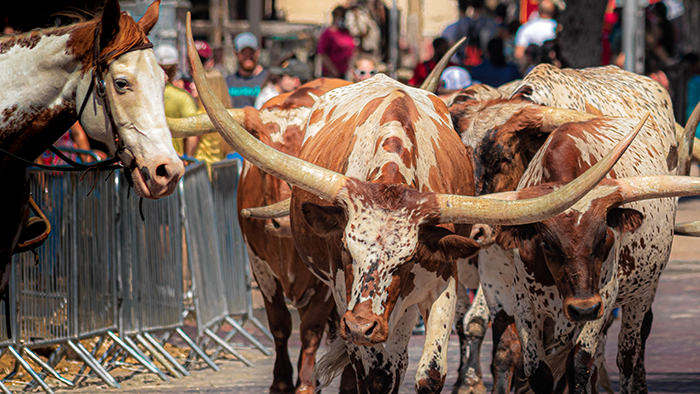
Proudly referred to as the "cowboy capital of the world," the Fort Worth Stockyards is a living, breathing piece of American history spanning 125 acres. Built in 1889, this authentic working stockyard still hosts twice-daily cattle drives and features the Texas Cowboy Hall of Fame, historic saloons, Western heritage museums, and live music venues. The district captures genuine Old West culture with rodeos, mechanical bull riding lessons, and even gunslinger shows performed live, offering an authentic Texas experiences that transport visitors back in time. Whether you're watching cattle being driven down the main street or catching live country music, the Stockyards deliver pure, unapologetic Fort Worth character.
Sundance Square
The beating heart of downtown Fort Worth, Sundance Square is a vibrant 20-block entertainment district featuring outdoor plazas, galleries, restaurants, shops, and cultural venues. Named after the Sundance Kid who frequented Fort Worth, the square offers live music performances, seasonal events, and a lively atmosphere day and night. It's the perfect spot for dining, shopping, and soaking in Fort Worth's modern urban culture.
Cultural District Museums
Fort Worth's Cultural District is home to five exceptional museums housed in striking modern architecture. The Kimbell Art Museum showcases masterworks in a luminous Louis Kahn-designed building. The Amon Carter Museum features exceptional American art and photography. The Modern Art Museum of Fort Worth houses contemporary works in a minimalist structure. The Fort Worth Museum of Science and History offers interactive exhibits and an OMNI theater. Together, these institutions create one of the finest cultural concentrations in America, all within walking distance of each other in beautiful park settings.
Fort Worth Water Gardens
Designed by renowned architect Philip Johnson, the Fort Worth Water Gardens is a 4.3-acre urban oasis of dramatically engineered water features, sunken gardens, and contemplative spaces. This brutalist masterpiece features cascading water walls, tranquil reflection pools, and hidden garden alcoves—all free and open to the public. It's an architectural marvel that transforms a downtown block into a serene escape from the urban energy above.
Bureau of Engraving and Printing
Watch billions of dollars literally roll off the presses at the Bureau of Engraving and Printing's Fort Worth facility. This isn't Monopoly money — it's the real thing, printed with mind-bending precision and security features designed to outsmart counterfeiters. Tour the production floor, witness currency being cut and stacked, and contemplate the absurd reality that you're watching money being manufactured while you're broke. It's economics, art, and security theater all rolled into one surreal experience.
Fort Worth Zoo
Ranked among the best zoos in the country, the Fort Worth Zoo combines stunning habitat design with world-class animal care and conservation efforts. The zoo features over 7,000 animals representing more than 500 species, with particular strengths in primate exhibits, African habitats, and Texas native species. The zoo's commitment to education and conservation makes it a destination for both families and serious animal enthusiasts.
The Cowgirl Museum & Hall of Fame
Celebrating the often-overlooked women of the American West, this museum presents feminist history alongside impressive horsemanship and Western heritage. The collection of artifacts, photographs, and stories honors the courage and capability of women who shaped the West.
Fort Worth Botanic Garden
Spread across 110 acres, the Fort Worth Botanic Garden features stunning themed gardens, native plant collections, walking paths, and the stunning Japanese Garden — one of the most visited Japanese gardens in the country. The garden provides a peaceful retreat with seasonal blooms, water features, and horticultural displays that showcase both traditional and contemporary landscape design.
The Sixth Floor Museum at Dealey Plaza
Walk through the haunting corridors of history at the former Texas School Book Depository, where one of America's most pivotal moments unfolded on Nov. 22, 1963. Located a short drive away in Dallas, The Sixth Floor Museum offers a sobering, meticulously researched exploration of President Kennedy's assassination, the investigation that followed, and the profound impact on the nation. It's less entertainment and more reckoning with a watershed moment — powerful, thought-provoking, and impossible to forget.
Beyond the Sixth Floor Museum, the Dealey Plaza Historic District itself is a site worth exploring. The plaza, grassy knoll, and surrounding architecture tell the story of both the assassination and Dallas's urban development. Walking the grounds provides context and perspective on that fateful November day.